Mounjaro
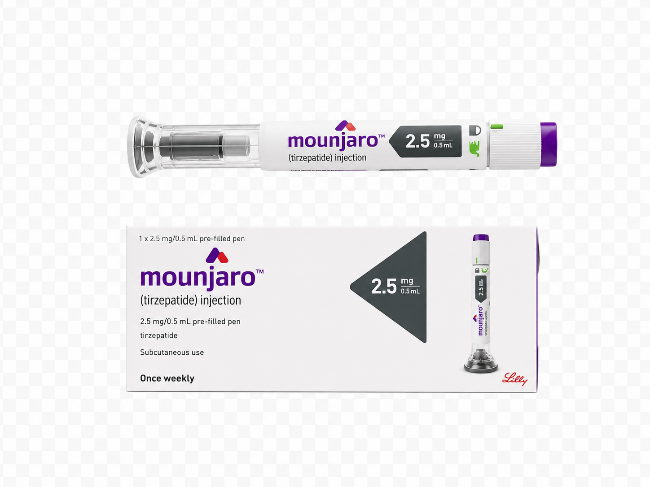 Mounjaro is a once-weekly injectable prescription medicine that is used along with diet and exercise to improve blood sugar (glucose) of type 2 diabetes in adults and/or weight loss, weight management. It contains an active substance called tirzapatide.
Mounjaro activates the actions of 2 natural substances in your body, called glucose-dependent insulinotrophic polypepetide (GIP) and glucagon-like peptide-1 (GLP-1).
How Mounjaro works
A few of the ways mounjaro helps your body include:
Reduce how much food you eat
Slow down how quickly food leaves your stomach. This lessons over time
Regulating fat Utilisation
Release insulin when your blood sugar is high, if you’re living with type 2 diabetes
 How Mounjaro Helps reduce your body weight
Regulates your appetite, giving you a sense of satiety (fulness) and makes you feel less hungry
Reduces food cravings for fast-food fats, sweets, carbohydrates and starches.
How much Mounjaro to use
The starting dose is 2.5 mg once a week for 4 weeks.
After 4 weeks our clinician will increase your dose to 5 mg once a week.
Let our clinicians know how you’re doing on
the 2.5 mg and 5 mg doses during on your next order.
We will decide if additional dose increases are needed.
Do not change your dose unless your we have had that confirmation.
Each person responds differently to Mounjaro.
Our clinicians may increase your dose by 2.5 mg increments to 7.5 mg, 10 mg, 12.5 mg or 15 mg once a week if you need it.
In each case, we will tell you to stay on a particular dose for at least 4 weeks before going to a higher dose
Choosing when to use Mounjaro
- You can use your pen at any time of the day, with or without meals
- Use Mounjaro on the same day each week
- To help you remember, when to use Mounjaro, you may wish to tick the day of the week when you inject your first dose on the box that your pen comes in, or mark it on a calendar.
- If necessary, you can change the day of your weekly injection, as long as it has been at least 3 days since your last injection
- After selecting a new dosing day, continue with once-a-week dosing on that new day
Missed a dose of Mounjaro?
If it’s been 4 days or less since you should have used Mounjaro:
- Use it as soon as you remember
- Then inject your next dose as usual on your scheduled day
If it’s been more than 4 days since you should have used Mounjaro:
- Skip the missed dose
- Then inject your next dose as usual on your scheduled day
Do not use a double dose to make up for a forgotten dose.
The minimum time between two doses must be at least 3 days.
|
Regular dosing day
|
Sun ✅ |
Mon |
Tue |
Wed |
Thu |
Fri |
Sat |
|
Missed Dose
|
Sun ❌ |
Mon ✅ |
Tue ✅ |
Wed ✅ |
Thu ❌ |
Fri ❌ |
Sat ❌ |
|
Next regular dosing day
|
Sun ✅ |
You can take one dose on one of these days |
You need to skip a dose |
||||
If you use more Mounjaro than you should, talk to our healthcare professionals immediately. Too much of this medicine may cause low blood sugar (hypoglycaemia) and can make you feel sick or be sick.
Possible side effects
Like all medicines, Mounjaro can cause side effects, although not everybody gets them. Please read the PIL for a full list of side effects; some of these are listed below.
Possible side effects
Uncommon (may affect up to 1 in 100 people)
• Inflamed pancreas (acute pancreatitis) which could cause severe pain in the stomach and back which does not go away. You should see a doctor immediately if you experience such symptoms
Rare (may affect up to 1 in 1000 people)
• Severe allergic reactions (e.g. anaphylactic reaction, angioedema). You should get immediate medical help and inform your doctor if you experience symptoms such as breathing problems, rapid
swelling of the lips, tongue and/or throat with difficulty swallowing and a fast heartbeat
Other side effects
Very common (may affect more than 1 in 10 people)
• Low blood sugar (hypoglycaemia) when Mounjaro is used for the treatment of type 2 diabetes with medicines that contain a sulphonylurea and/or insulin. If you are using a sulphonylurea or insulin, the dose may need to be lowered while you use Mounjaro. Symptoms of low blood sugar may include headache, drowsiness, weakness, dizziness, feeling hungry, confusion, irritability, fast heartbeat and sweating. Your doctor should tell you how to treat low blood sugar
• Feeling sick (nausea)*
• Diarrhoea*
• Being sick (vomiting) – this usually goes away over time
• Stomach (abdominal) pain
• Constipation*
*These side effects are usually not severe. They are most common when first starting Mounjaro but decrease over time in most patients
*Constipation, abdominal pain and vomiting are very common in patients treated with weight management (including patients with Obstructive
Sleep Apnoea (OSA) and obesity) but common in patients treated for type 2 diabetes
Common (may affect up to 1 in 10 people)
• Low blood sugar (hypoglycaemia) when Mounjaro is used for type 2 diabetes with both metformin and a sodium‑glucose co‑transporter 2 inhibitor (another diabetes medicine). Symptoms of low blood sugar may include headache, drowsiness, weakness, dizziness, feeling hungry, confusion,
irritability, fast heartbeat and sweating. Your doctor should tell you how to treat low blood sugar
• Allergic reaction (hypersensitivity; e.g. rash, itching and eczema)
• Dizziness observed in patients treated for weight management (including patients with OSA and obesity)
• Low blood pressure observed in patients treated for weight management (including patients with OSA and obesity)
• Feeling less hungry (decreased appetite) observed in patients treated for type 2 diabetes
• Indigestion (dyspepsia)
• Bloating of the stomach
• Burping (eructation)
• Gas (flatulence)
• Reflux or heartburn (also called gastroesophageal reflux disease – GORD) a disease caused by stomach acid coming up into the tube from your stomach to your mouth
• Hair loss observed in patients treated for weight management (including patients with OSA and obesity)
• Feeling tired (fatigue)
• Injection site reactions (e.g. itching or redness)
• Fast pulse
• Increased levels of pancreatic enzymes (such as lipase and amylase) in blood
• Increased calcitonin levels in blood
• Gallstones Uncommon (may affect up to 1 in 100 people)
• Low blood sugar (hypoglycaemia) when Mounjaro is used with metformin for type 2 diabetes. Symptoms of low blood sugar may include headache, drowsiness, weakness, dizziness, feeling hungry, confusion, irritability, fast heartbeat and sweating. Your doctor should tell you how to treat low blood sugar
• Weight loss observed in patients treated for type 2 diabetes
• Injection site pain
• Cholecystitis (infection of the gallbladder) observed in patients treated for weight management (including patients with OSA and obesity)
• Changed sense of taste
Additional warnings and precautions
You have severe problems with food digestion or food remaining in your stomach for longer than normal (including severe gastroparesis)
• You have ever had pancreatitis (inflammation of the pancreas which may cause severe pain in the stomach and back, which does not go away)
• You have a problem with your eyes (diabetic retinopathy or macular oedema)
• You are using a sulphonylurea (diabetes medicine) or insulin, as low blood sugar (hypoglycaemia) can occur. Your healthcare professional may need to change your dose of these other medicines to reduce this risk
• You have hepatic (liver) or renal (kidney) impairment
• You know that you are due to have surgery where you will be under anesthesia (sleeping)
Children and adolescents
This medicine should not be given to children and adolescents under 18 years of age because it has not been studied in this age group.
Other medicines and Mounjaro
Tell your prescribing healthcare professional if you are using, have recently used or might use any other medicines.
Pregnancy
This medicine should not be used during pregnancy as the effects of this medicine on an unborn child are not known. If you are pregnant, think you may be pregnant or are planning to have a baby, ask your prescribing healthcare professional for advice before using this medicine.
It is recommended to use contraception while using this medicine. If you are a woman with obesity or overweight and are using oral contraceptives, you should consider also using a barrier method of contraception (e.g. a condom) or switching to a non-oral contraceptive method for 4 weeks after starting Mounjaro and for 4 weeks after each increase in dose.
Breast-feeding
It is unknown whether Mounjaro passes into breast milk. A risk to newborns/infants cannot be ruled out. If you are breast-feeding or are planning to breastfeed, talk to your prescribing healthcare professional before using this medicine. You and your healthcare professional should decide if you should stop breast feeding or delay using Mounjaro.
Driving and using machines
It is unlikely that this medicine will affect your ability to drive and use machines. However, if you use Mounjaro in combination with a sulphonylurea or insulin, low blood sugar (hypoglycaemia) may occur, which may reduce your ability to concentrate.
Avoid driving or using machines if you get any signs of low blood sugar, e.g. headache, drowsiness, weakness, dizziness, feeling hungry, confusion, irritability, fast heartbeat and sweating. Talk to your healthcare professional for further information.
Mounjaro KwikPen contains sodium
This medicine contains less than 1 mmol sodium (23 mg) per dose, that is to say essentially ‘sodium-free’.
Mounjaro KwikPen contains benzyl alcohol
Each multiple-dose pre-filled pen contains 5.4 mg benzyl alcohol [E1519] in each 0.6 mL dose. Benzyl alcohol may cause allergic reactions.
Ask our professionals for advice if you have a liver or kidney disease. This is because large amounts of benzyl alcohol can build-up in your body and may cause side effects (called “metabolic acidosis”).
Tips if experiencing
Gastrointestinal (GI) symptoms
As with all medicines, you may feel side effects with Mounjaro1
The most frequently reported adverse reactions in a Mounjaro’s clinical trial were gastrointestinal disorders, including nausea, diarrhoea, constipation, and vomiting
In general, these reactions were mostly mild or moderate in severity and occurred often during dose escalation and decreased over time
Tips for managing GI symptoms:
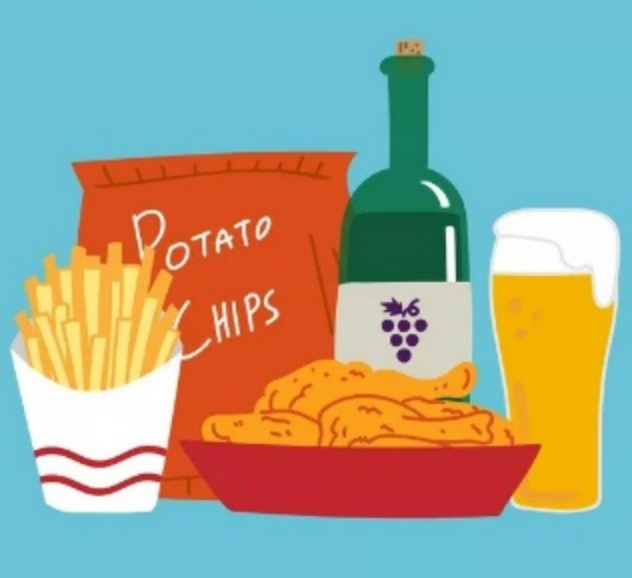
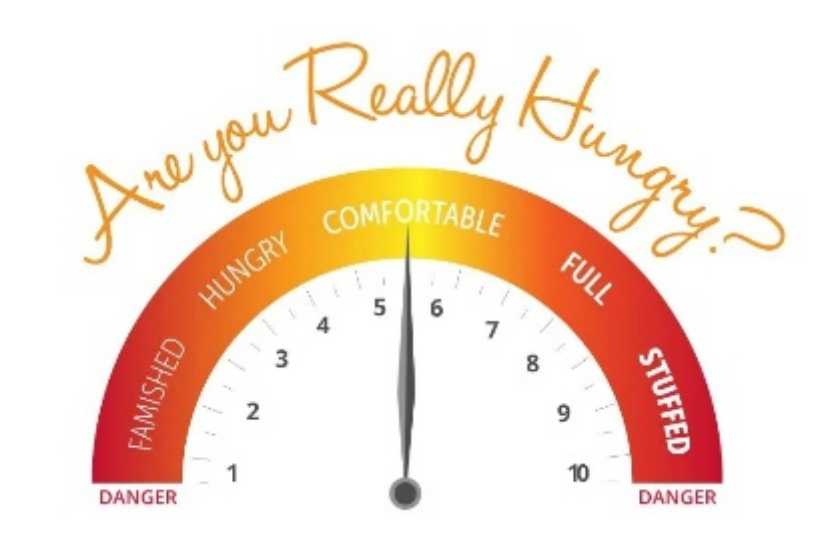
Eating smaller portions Being mindful to stop once full Stay Hydrated More frequently
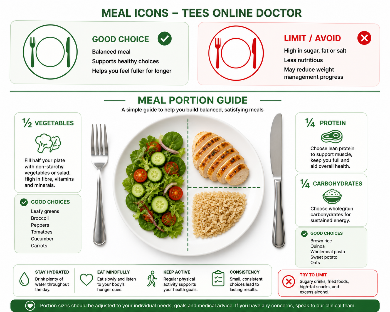
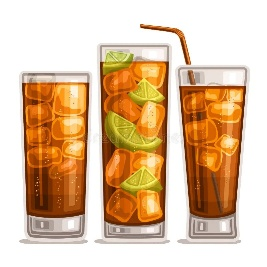
Avoid high-fat or Avoid Eating when Moderating intake of
Spicy food you are hungry alcohol and fizzy drinks
 When starting treatment with Mounjaro, in some cases you may experience loss of fluids/ dehydration, e.g. due to vomiting, nausea and/or diarrhoea, which may lead to a decrease in kidney function. It is important to avoid dehydration by drinking plenty of fluids. Contact your prescribing healthcare professional if you have any questions or concerns.
The Mounjaro KwikPen
The Mounjaro KwikPen contains 4 fixed doses, one dose taken weekly. Step-by-step instructions for using the KwikPen are available in the Instructions for Use in the pack and also provided below
The administration of a dose of tirzepatide includes
Preparing
Priming
Injecting
After the injection
Preparing
The supplies needed for administration
Mounjaro KwikPen
KwikPen compatible needle (Needles are not included in the pack. The decision on needle gauge and length remains at the discretion of the clinician or pharmacist.)
- Swab
- Gauze or cotton ball
- Sharps disposal container or household container.
Make sure the medication has not been frozen, is colourless to slightly yellow and free of particles.
To prepare the pen as described in the Instructions for Use, the user should
Step 1. wash their hands with soap and water.
Step 2. pull the pen cap straight off and inspect their KwikPen, the label and the medication in the pen.
Step 3. wipe the red inner seal with a swab.
Step 4. select a new pen needle and remove the paper tab.
Step 5. attach the new needle, by pushing the capped pen needle straight onto the pen and twisting it on until it's tight.
Step 6. pull off the outer needle shield and keep it. Pull off the inner needle shield and discard it.
Step 7. Slowly turn the dose knob until you hear 2 clicks and the extended line is shown in the dose window. This is the prime position. It can be corrected by turning the dose knob in either direction until the prime position lines up to the dose indicator.
Step 8.
Hold your pen with the needle pointing up.
Tap the cartridge holder gently to collect air bubbles at the top.
Step 9. Release some medicine into the air by pushing the dose knob in until it stops, then slowly count to 5 while holding the dose knob. The 0 icon.jpg icon must be shown in the dose window. Do not inject into your body
Step 10. Choose an injection site.
a. You or another person can inject the medicine in your thigh or stomach (abdomen) at least 5 centimetres from the belly button.
b. Another person should give you the injection in the back of your upper arm.
Change (rotate) your injection site each week. You may use the same area of your body but be sure to choose a different injection site in that area.
Step 11. To dial the dose, turn the dose knob until it stops and the "1" is seen in the dose window, as indicated by the 1 icon.jpg icon. This is equal to a full dose.
Step 12. Insert the needle into the skin and push the dose knob to inject the medicine.
Push the dose knob until it stops
Slowly count to 5 while holding the dose knob.
Step 13. Pull the needle out of your skin. A drop of medicine on the needle tip is normal. It will not affect your dose. Confirm the 0 icon is in the dose window. If you see the 0 icon in the window, you have received the full dose. If you do not see the 0 icon in the dose window, insert the needle back into your skin and finish your injection. Do not redial the dose. If you still do not think you received the full dose, do not start over or repeat the injection. Contact your local Lilly affiliate if you have any questions or problems with Mounjaro KwikPen
After your Mounjaro KwikPen injection
After injection, the user should
Step 14. lightly press the injection site with gauze or a cotton ball if they see blood, and not rub the injection site.
Step 15. carefully replace the outer needle shield.
Step 16. unscrew the needle and put it in a sharps container. and not store the pen with the needle attached.
Step 17. replace the pen cap and NOT store the pen without the pen cap attached.
How to store Mounjaro KwikPen before & after use
Store in a refrigerator (2 °C – 8 °C) before first opening. Do not freeze. If the pen has been frozen, DO NOT USE
Mounjaro KwikPen can be stored at room temperature unrefrigerated up to 30°C after the injection.
Keep away from heat.
Keep the pen and needles out of the sight and reach of children.
How to dispose of the used pen
Remove the needle in order to dispose of the pen
Dispose of the pen as directed by the health care professional.
When to dispose of the pen
Dispose of the pen 30 days after first use. after administration of 4 doses (1 dose per week).
when the pen is expired or looks damaged. when the medication has been frozen, has particles, is cloudy, or is discoloured. Mounjaro should be colourless to slightly yellow.
 CQC Regulated
 BEST SERVICE